
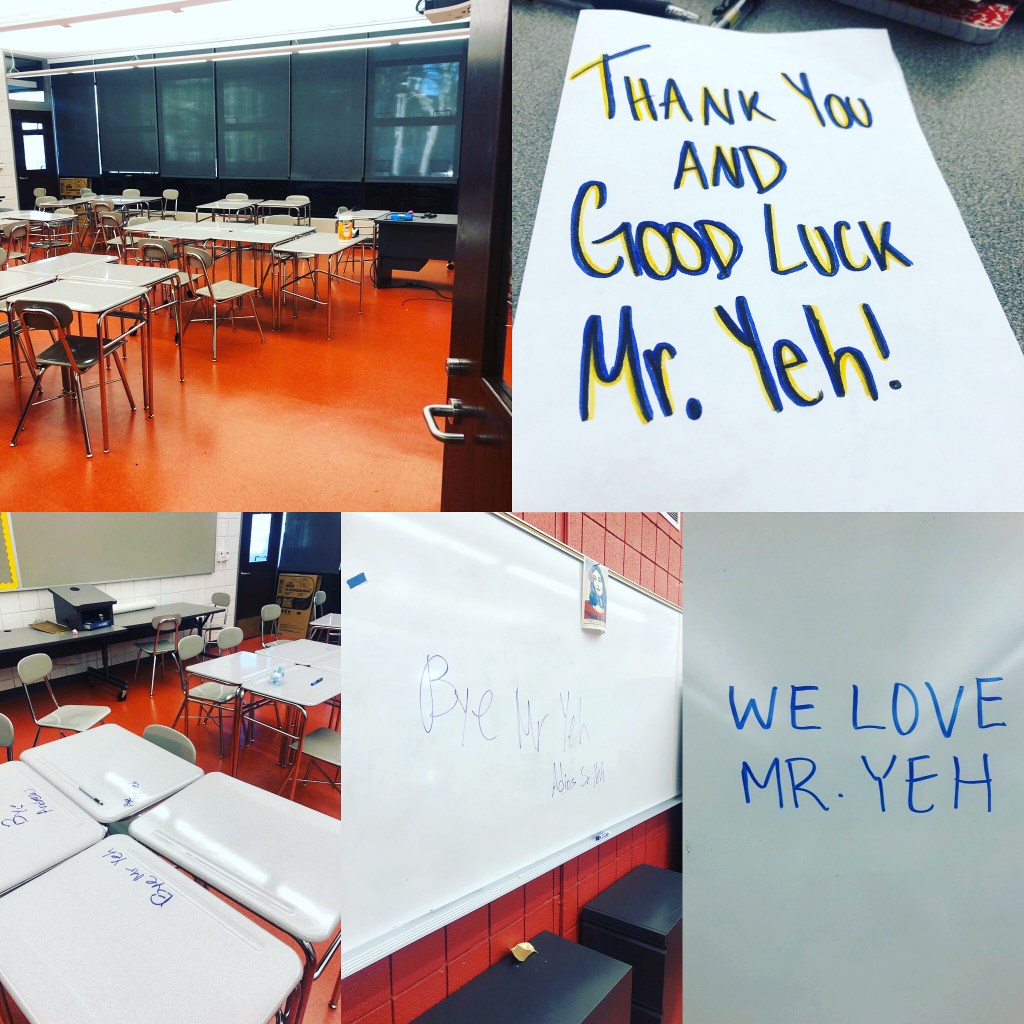
I wasn’t sure how I wanted to write this post, but as of yesterday (6/22/23), I finished my time in Cambridge Public Schools. I began this site as a way to document various things in my life, especially to give me something to do when I was at Culver. It then became a place where I wrote about teaching and also the recipes that I was writing up. These days, I pay to keep the site up, with my fancy custom URL, but I don’t write much. However, I figure I write something about the last six years I spent in my first district.
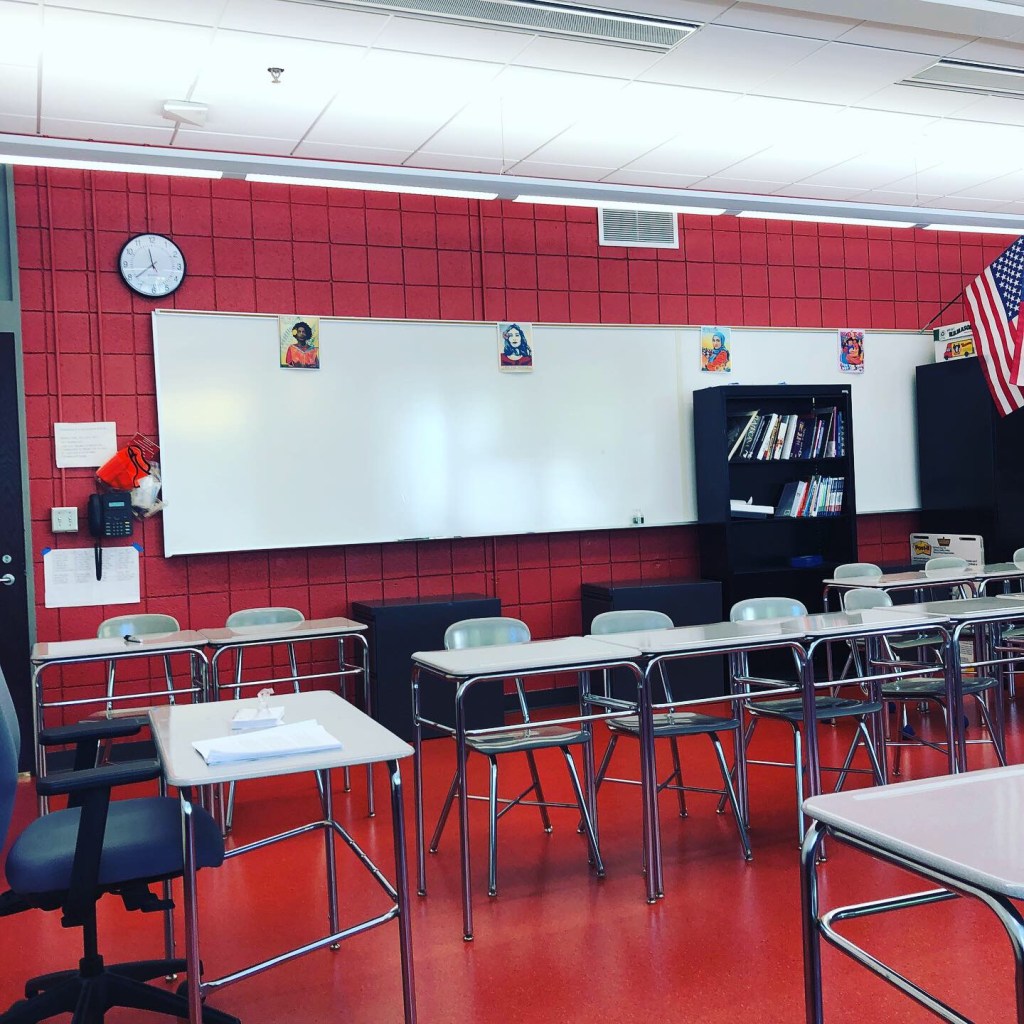
During the summer of 2017, my student teaching placement was sort of up in the air. I applied to work at a public arts school where I would be able to showcase both my history/social studies acumen and my passion for technical theater. Unfortunately, the school did not think I was a good match and so I was scrambling. Luckily my professor (and ultimately mentor), had a friend who was a high school history teacher in Cambridge. She explicitly expressed to him that she wanted to mentor a teacher of color that year, and lo and behold I was available. I still remember my first day at the school; I chose to wore a shirt, tie and slacks because I knew I was teaching AP World History with juniors and seniors who would be just a couple years younger than me. The first thing I did that day when I walked in, was to fix my mentor teacher’s projector, from there, it was straight to the races.
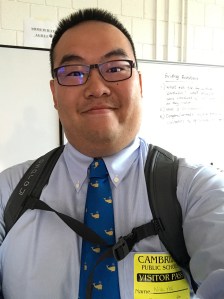
I’ve written about this before, but that first moment, when I stood at the front of the classroom, I felt an overwhelming sense of contentment and certainty that I just knew right there and then, that I was where I was meant to be. That first year was all about experimentation and learning, understanding what good teaching looked like, to then realizing the theoretical foundations behind all of it. I was suddenly aware that pedagogy was rooted in theorists and thinkers and writers and experimenters, and that what I thought was inane skill and understanding from teachers, was actually generations of exploration and to define what good teaching is. I was excited, and Cambridge seemed like the perfect district to be a part of.
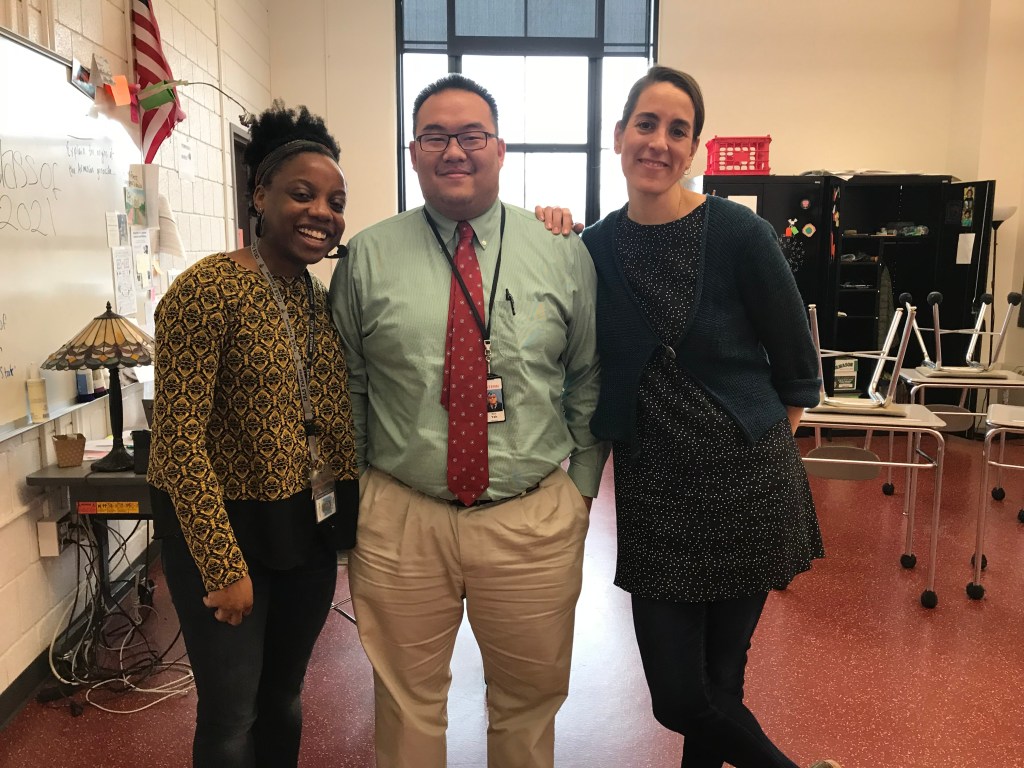
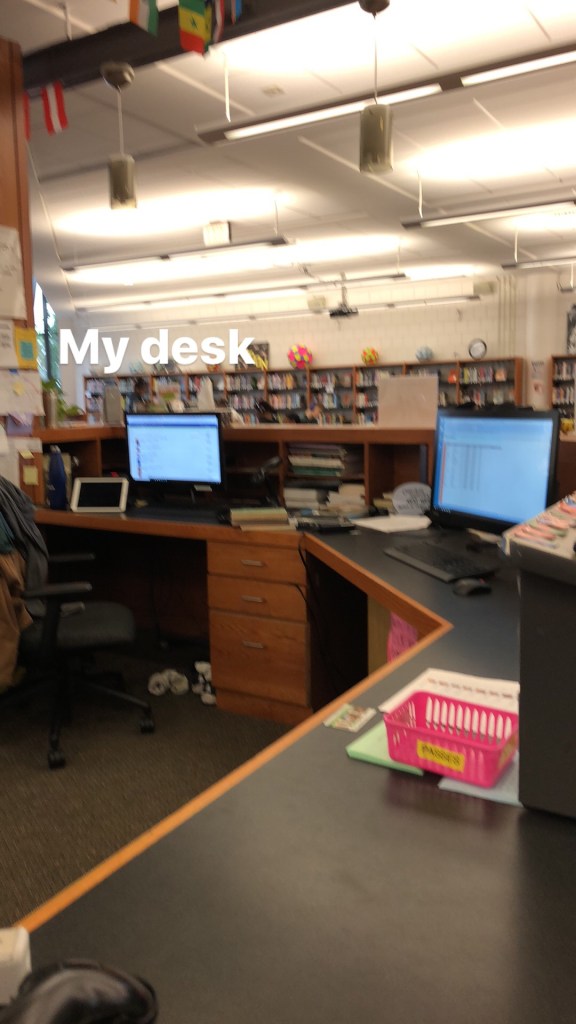
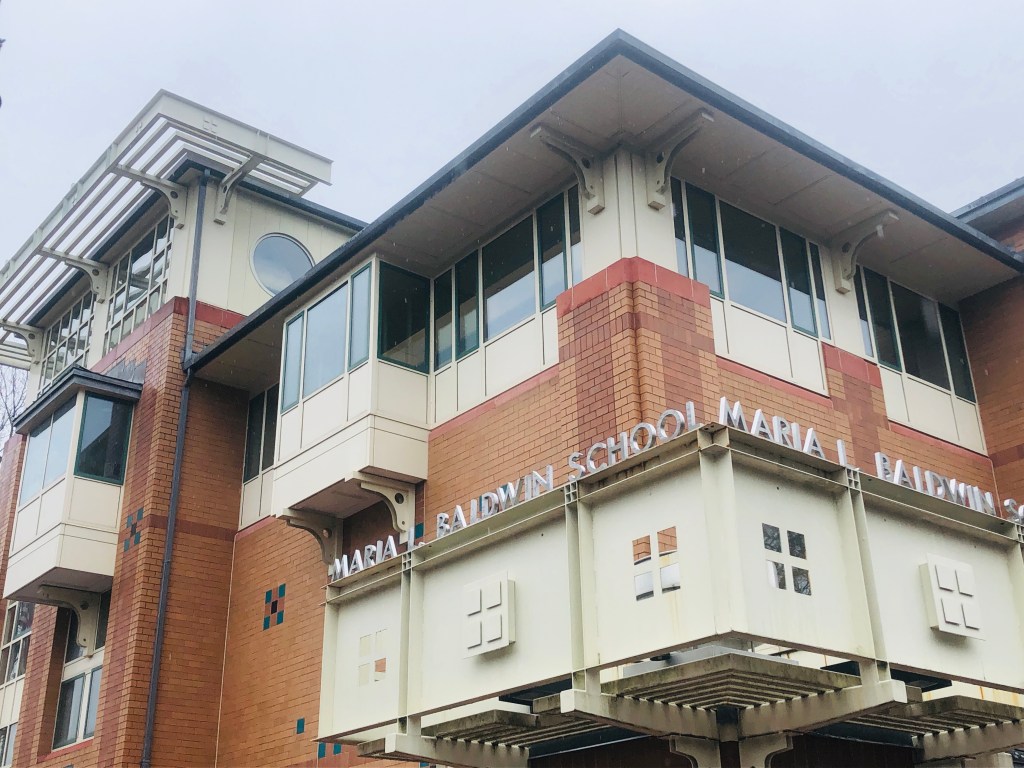
While never “promised” a history position, I kept hearing the old adage of “getting the foot in the door”, show your loyalty and devotion, and one day it will be rewarded. All of my colleagues from my cohort moved away from their student teaching districts, but I was stubborn, and naive, that maybe one day I would teach history. So my career of subbing began, I took on an ETS (extended term substitute) role for the high school librarian who was out on maternity leave, and there I honed my relationships with my high school colleagues and learned more about research and supporting students. Because I did “such a great job”, I was offered a second ETS, this time as an elementary school librarian (you can read the Day 1 and Day 60 posts I wrote). Working at the Baldwin School that first time was so much fun. I learned so much in community with the teachers there. Out of all the schools I’ve worked at in Cambridge, being at the Baldwin felt the closest to family. Everyone cared about each other, people were supportive, not because they had to, or there was some morale group, but rather because they wanted to care for each other. It was sad to leave when my contract ended, but luckily I applied and was accepted for another ETS, this time a whole semester as the US History II teacher back at the high school.
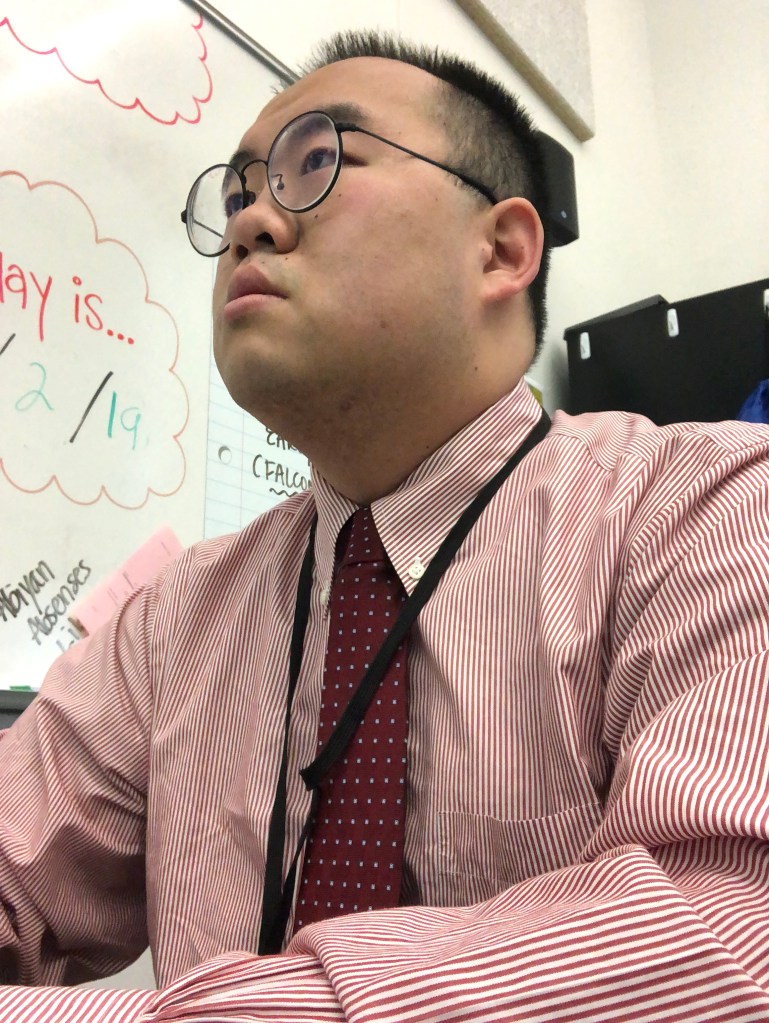
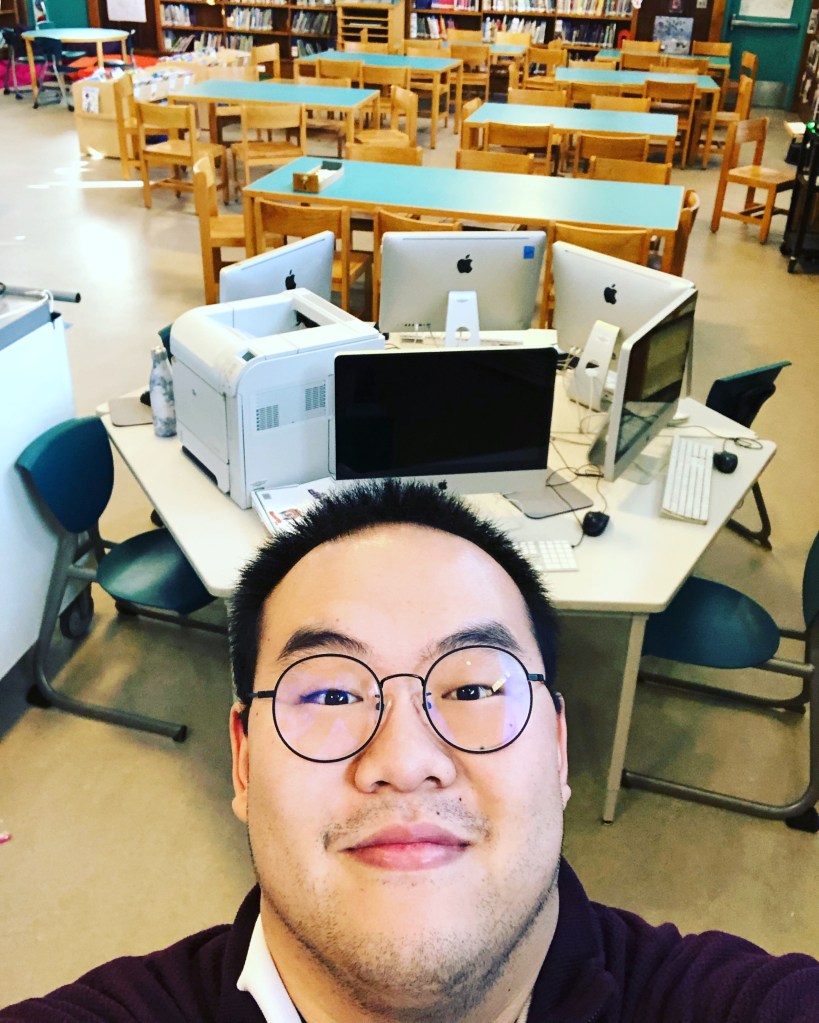
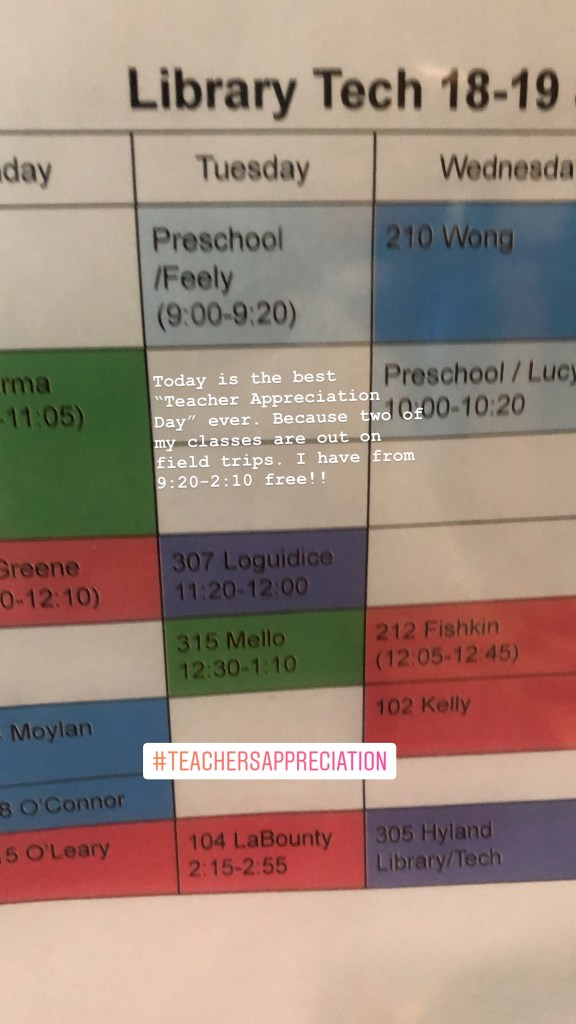
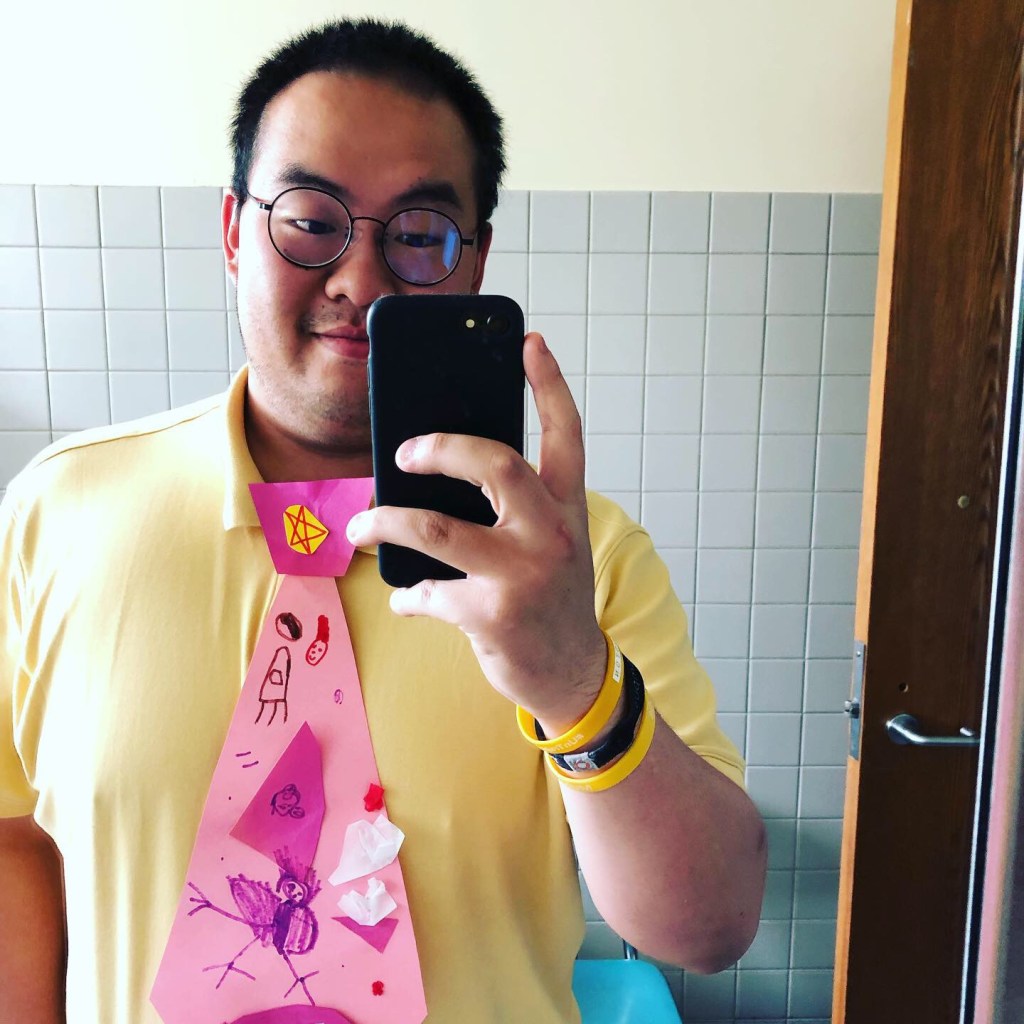
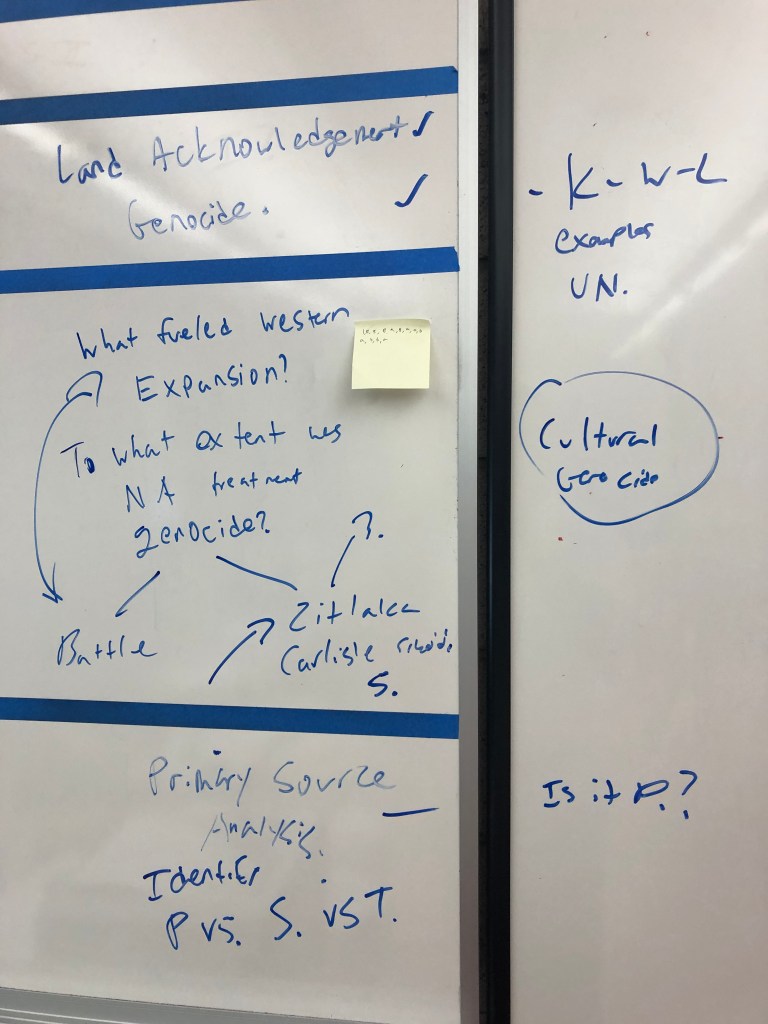
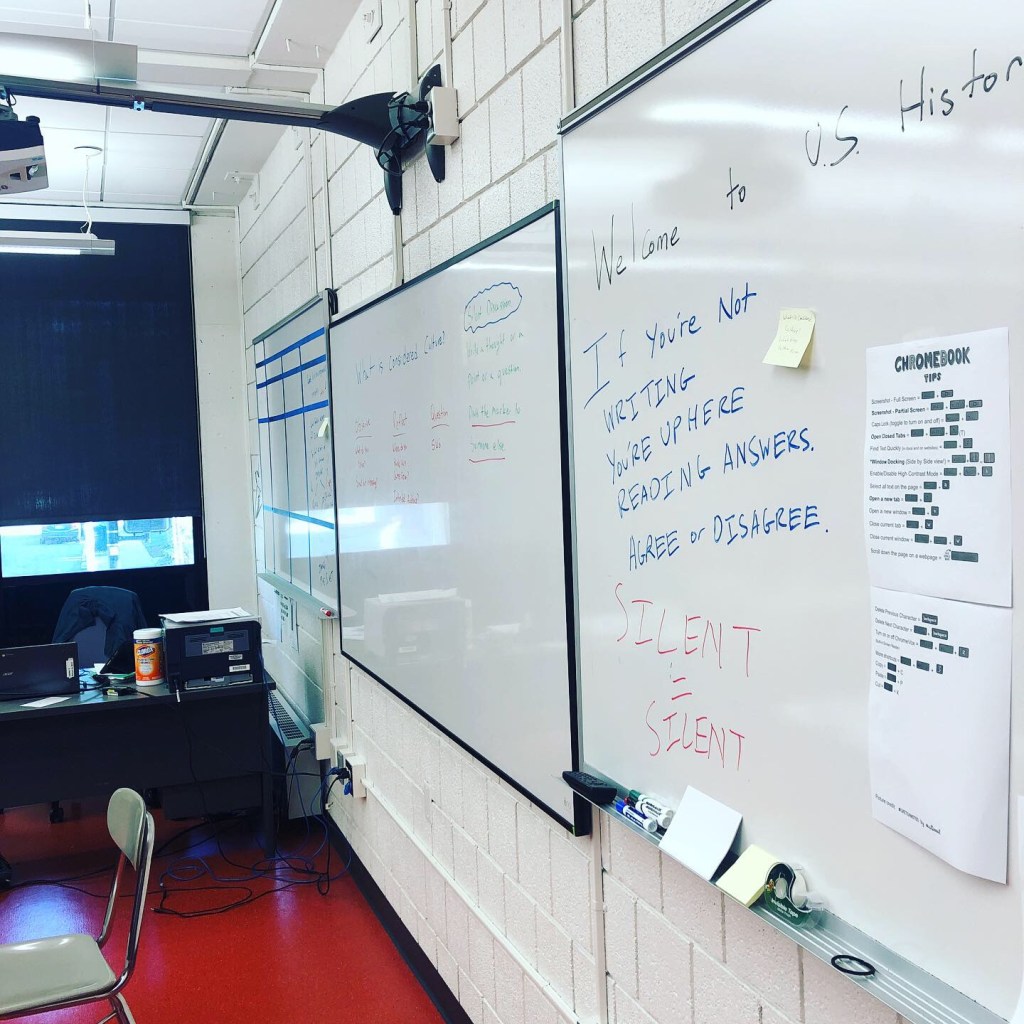
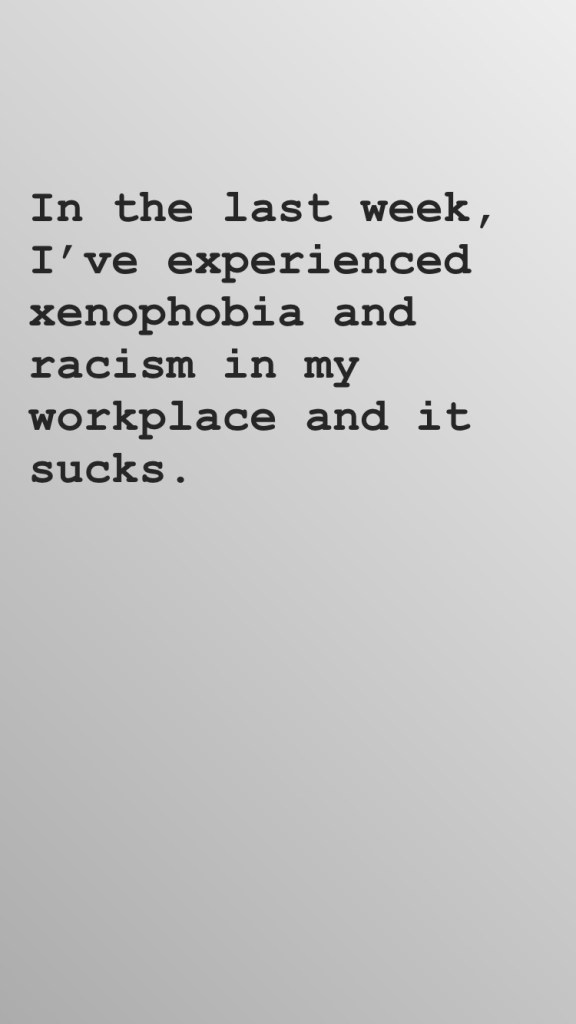
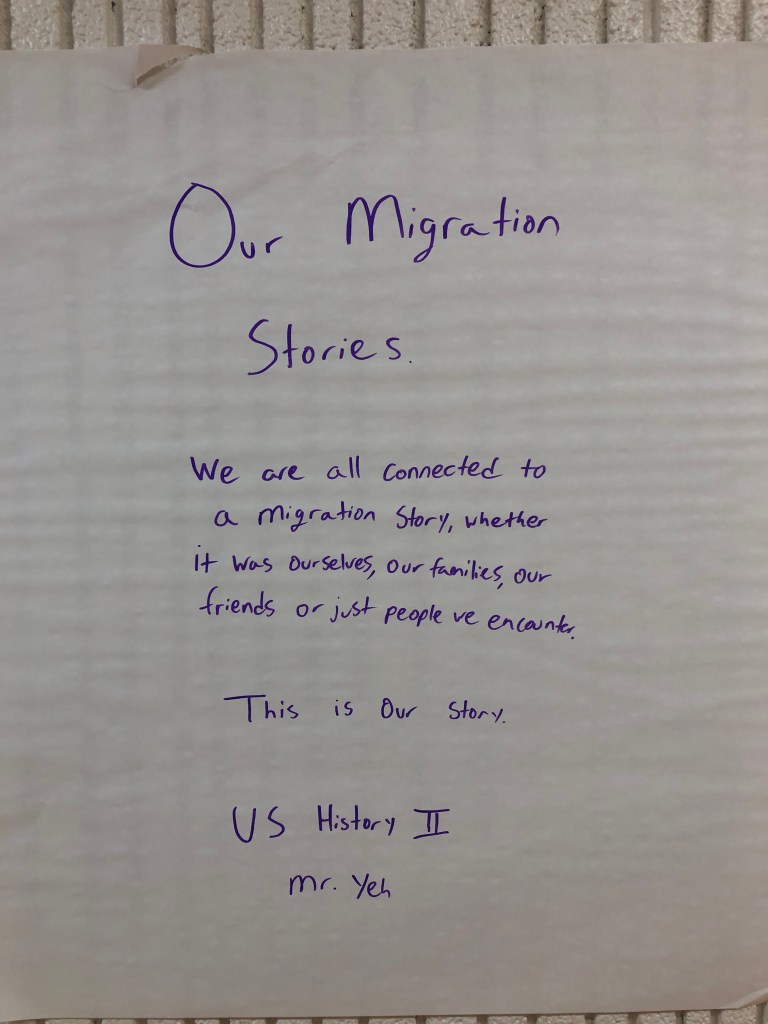
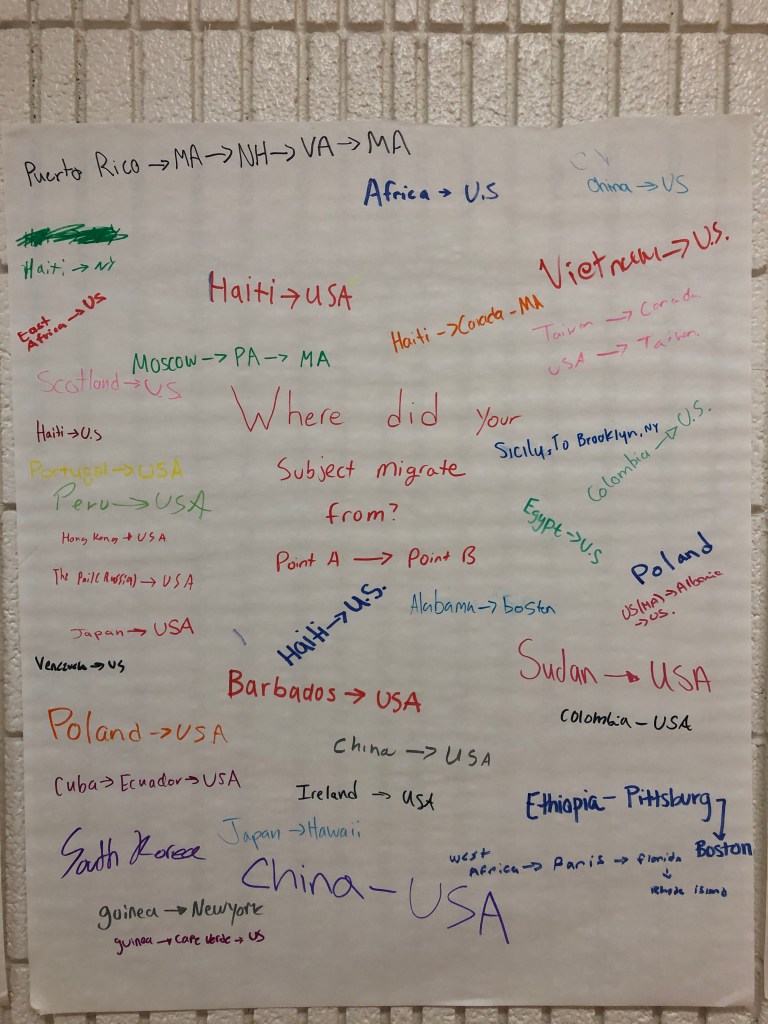
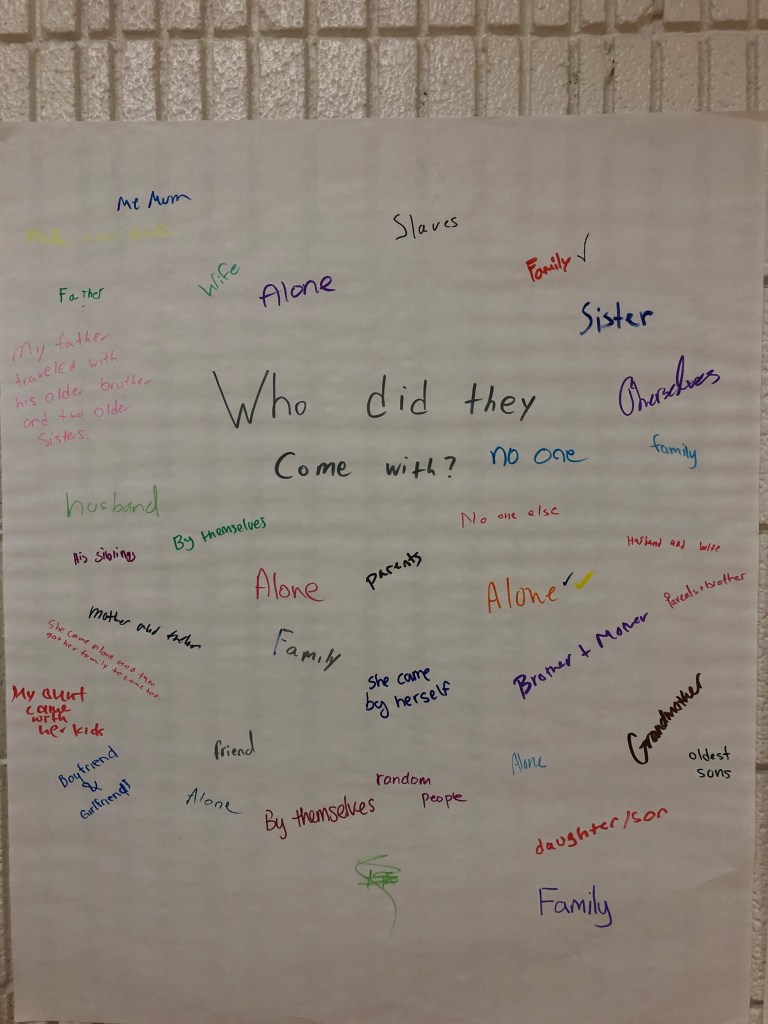
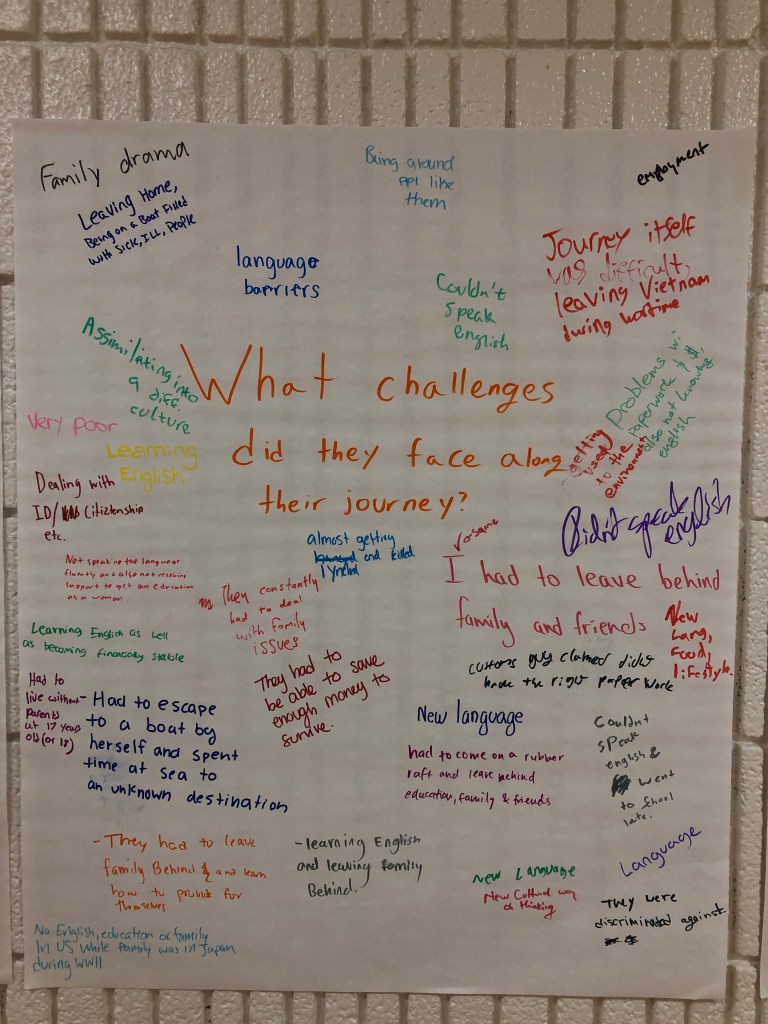
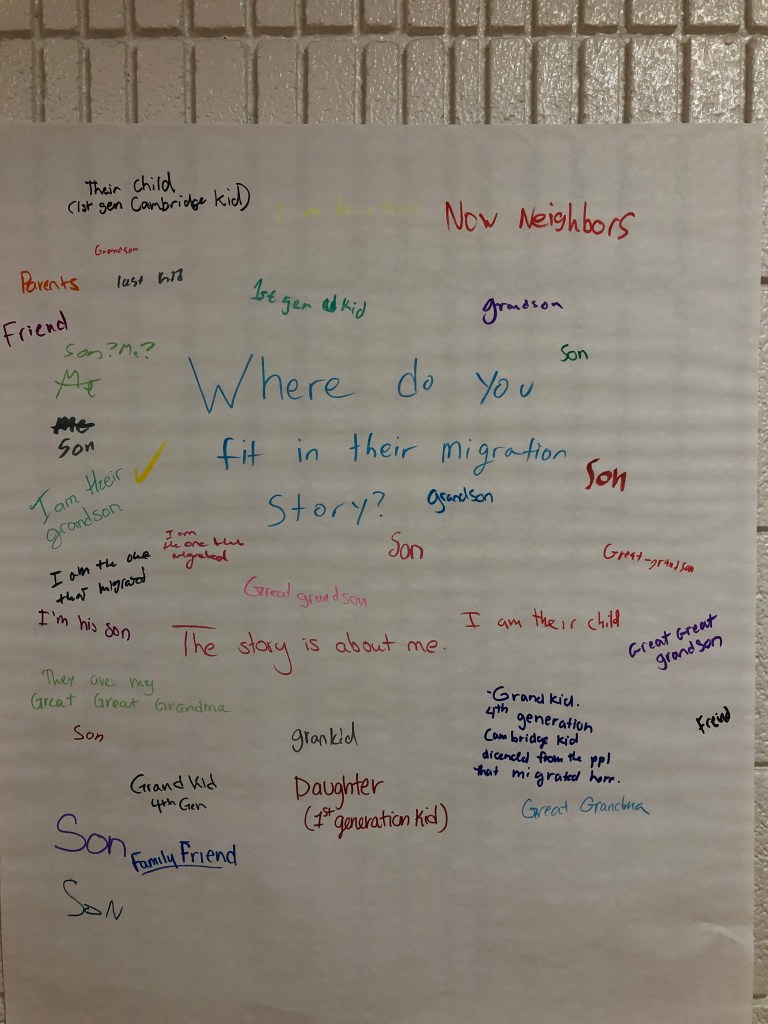
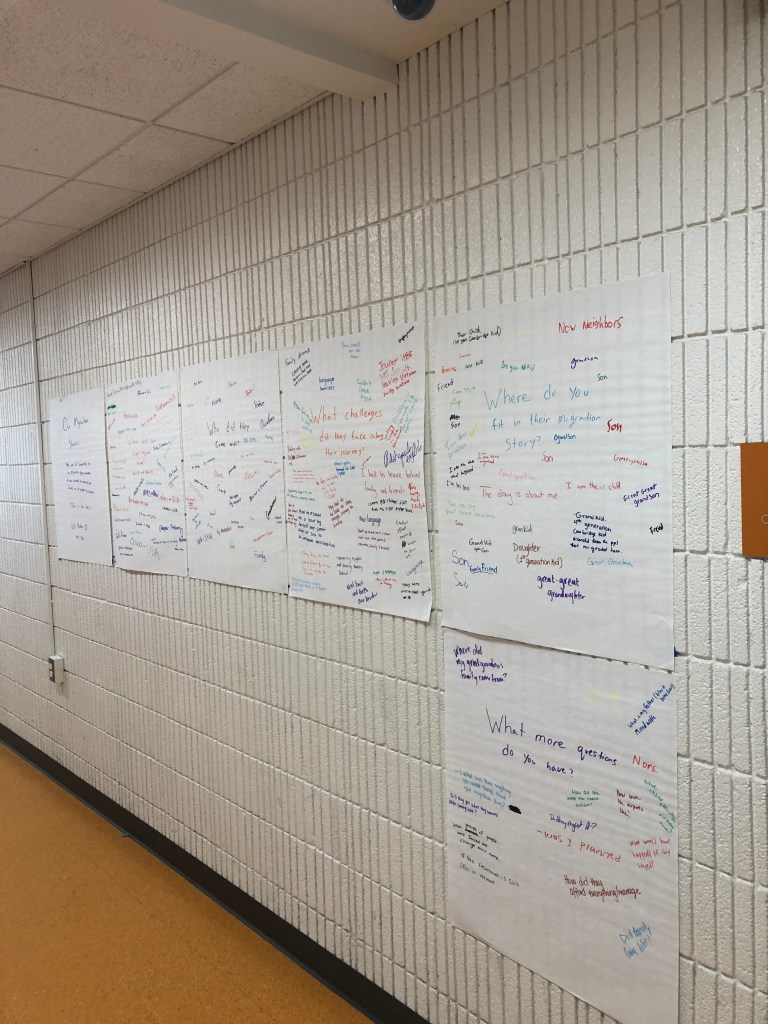
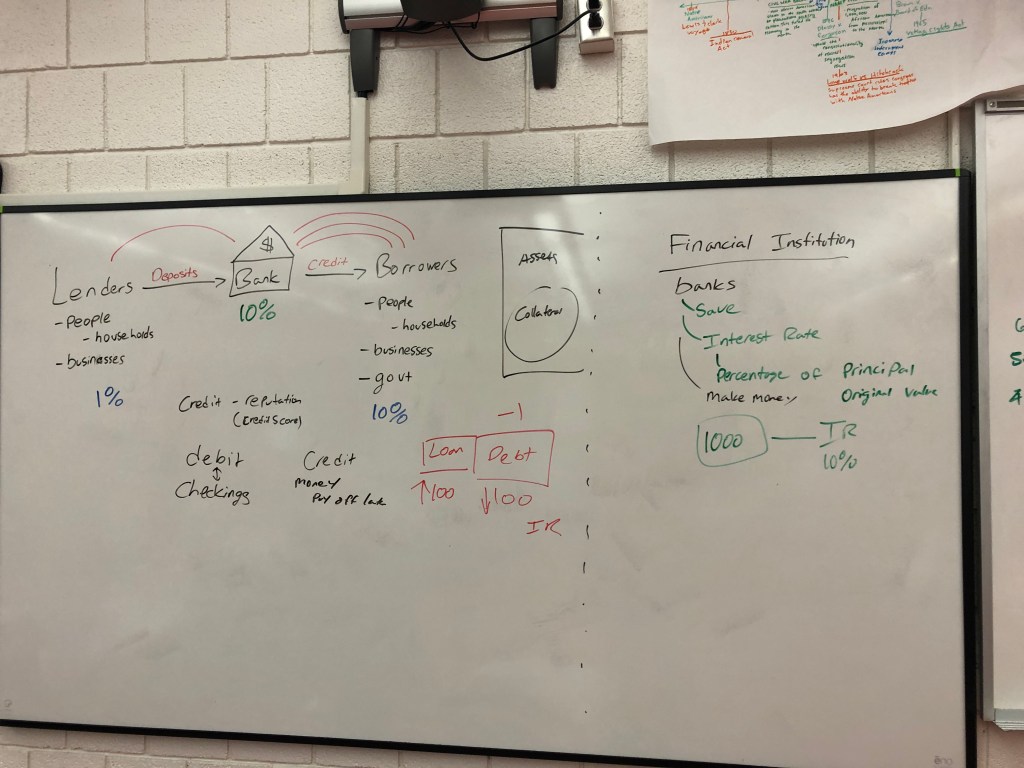
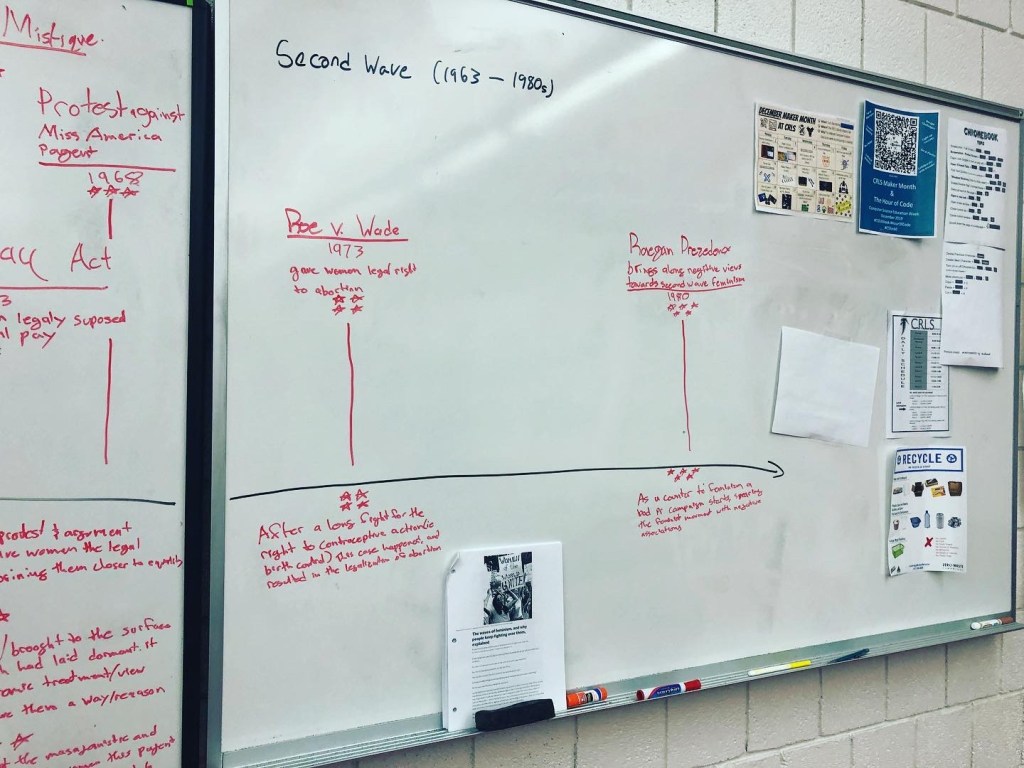
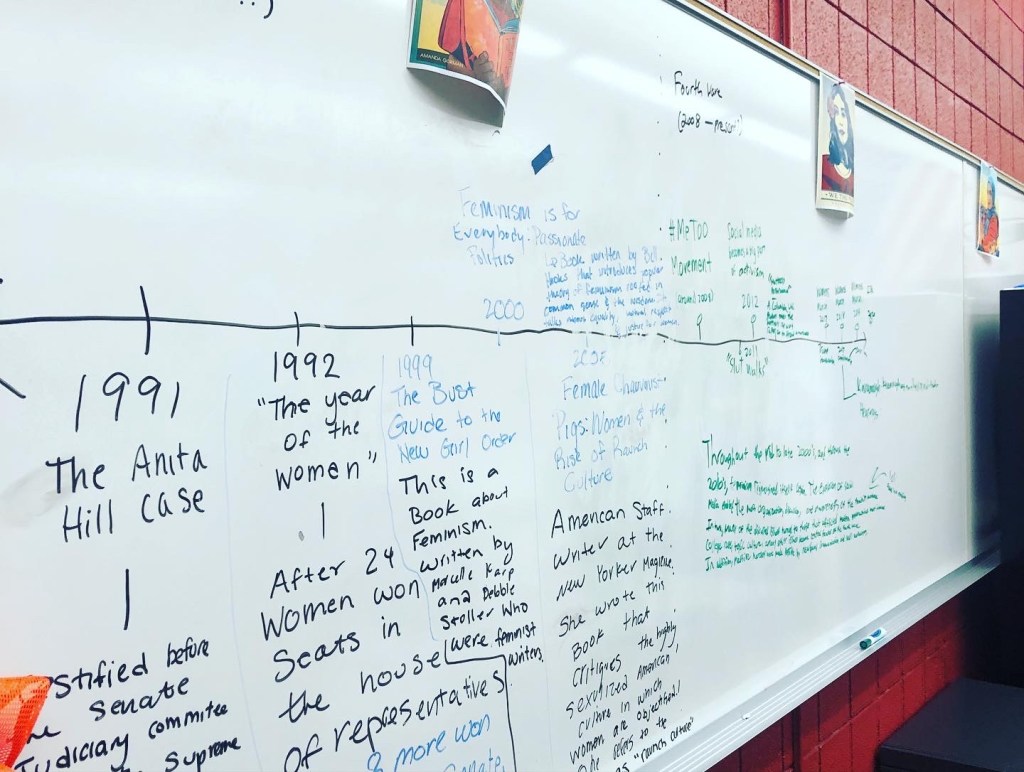
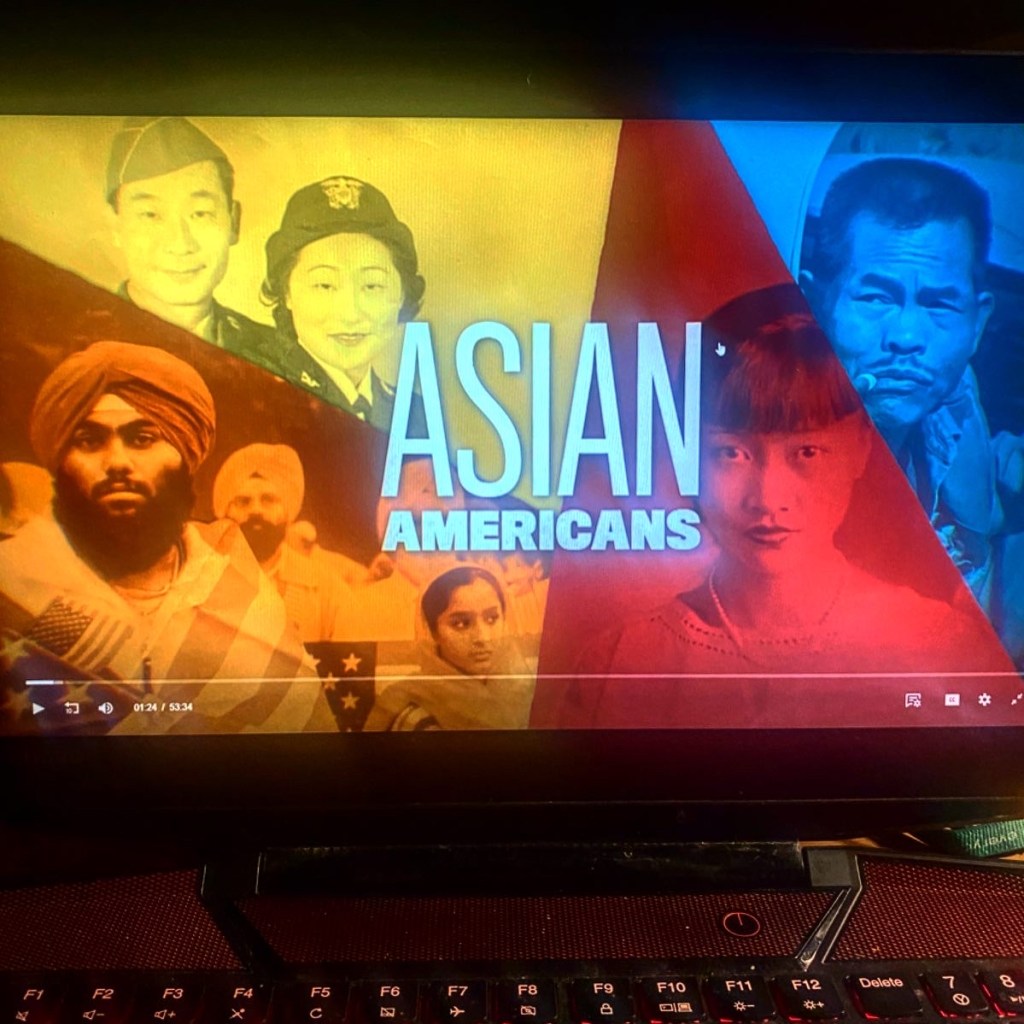
I haven’t written much about my time as a US History II teacher, but it was both an amazing time and a challenging one. It was amazing because for once, I was in my wheelhouse, developing curriculum that was exciting, and revelatory, and purposefully countering the narrative that had been ingrained in the students all their lives. I wanted to teach history that spoke of the hidden or forgotten narratives, stuff like how the indigenous population endured forced “Americanization”, Asian American history such as the horrors of nativism and Angel Island; I connected stories of 19th century immigration with our own migration stories. That semester was magical, but it was not without hurt. A parent accused me of not being “American enough” to teach US History II because I didn’t grow up in the US. The school community itself wrestled with macro and micro aggressions against our Black and Brown community which led to deep mistrust and hurt across the district. Teachers were fearful, the environment felt fraught, and everyday that winter felt like wading through a sea of hate. Some of my favorite lesson plans came out of that semester: Silent Discussion, Paper Airplane Factory, our discussions just felt so rich. It was the best. It gave me a taste of what could be. Funny enough, some of the students I had, were the same students I taught when they were first years during my student teaching year. After that contract, I was once again searching. Luckily for me, the principal from the Baldwin suddenly had a Building Substitute position open.
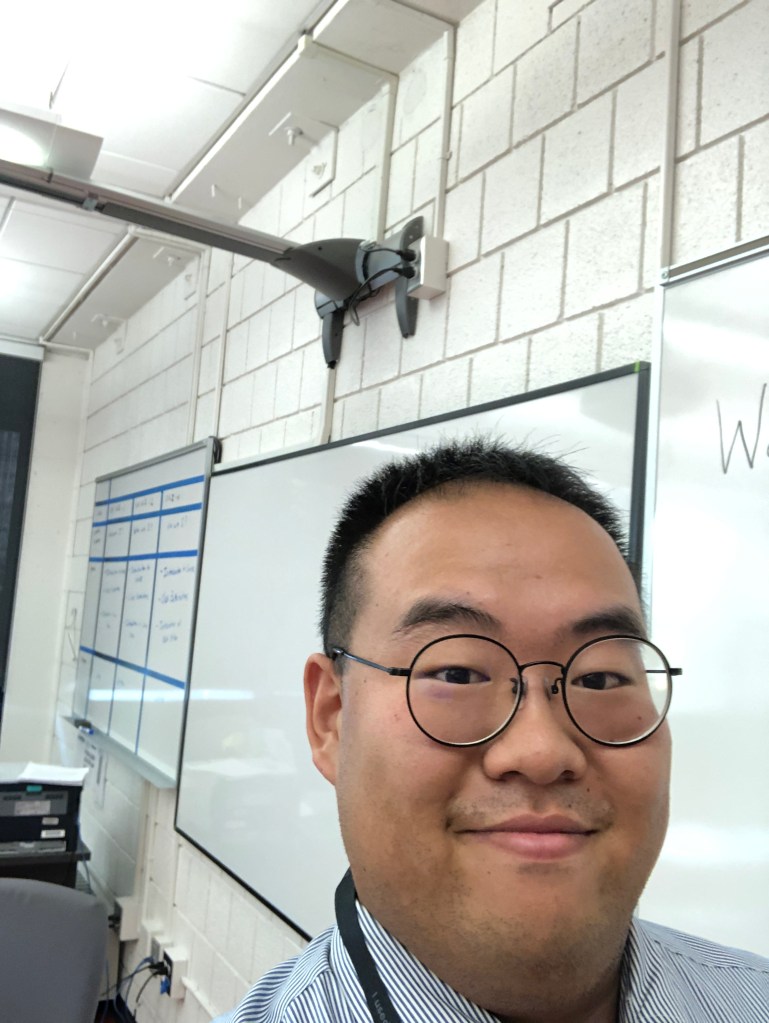


Building Subs are not ETS’, rather, they’re full time employees who show up every day expected to support in classrooms or with students. Sometimes, a teacher was out and I covered that class, whether it was in Kindergarten, or Music, or PE, or if everyone was in the building, then I was sort of on call for supporting high needs students or whatever came up. I found myself in Kindergarten classrooms quite often during that early spring of 2020. I grew close with some particular high needs kids too. Being a Building Sub was awesome, I was able to get to know all the various staff at the school, and the best part was getting to know every kid. You see, when you’re a classroom teacher, you get to know your class, and maybe some adjacent kids because you have to call their name on the playground. If you run a special, often times it’s broken up into grade bands, meaning you know K-3, or 3-5. As a Building Sub, hopping from classroom to classroom, special to special, one on ones, I got to know the names of almost all the kids in the school, and in turn, find ways to make their time at school special. For example, I had some young Japanese students who would come to school, so I would always greet them in Japanese as they came in. The look of surprise and yet also welcome in their eyes was joyous.
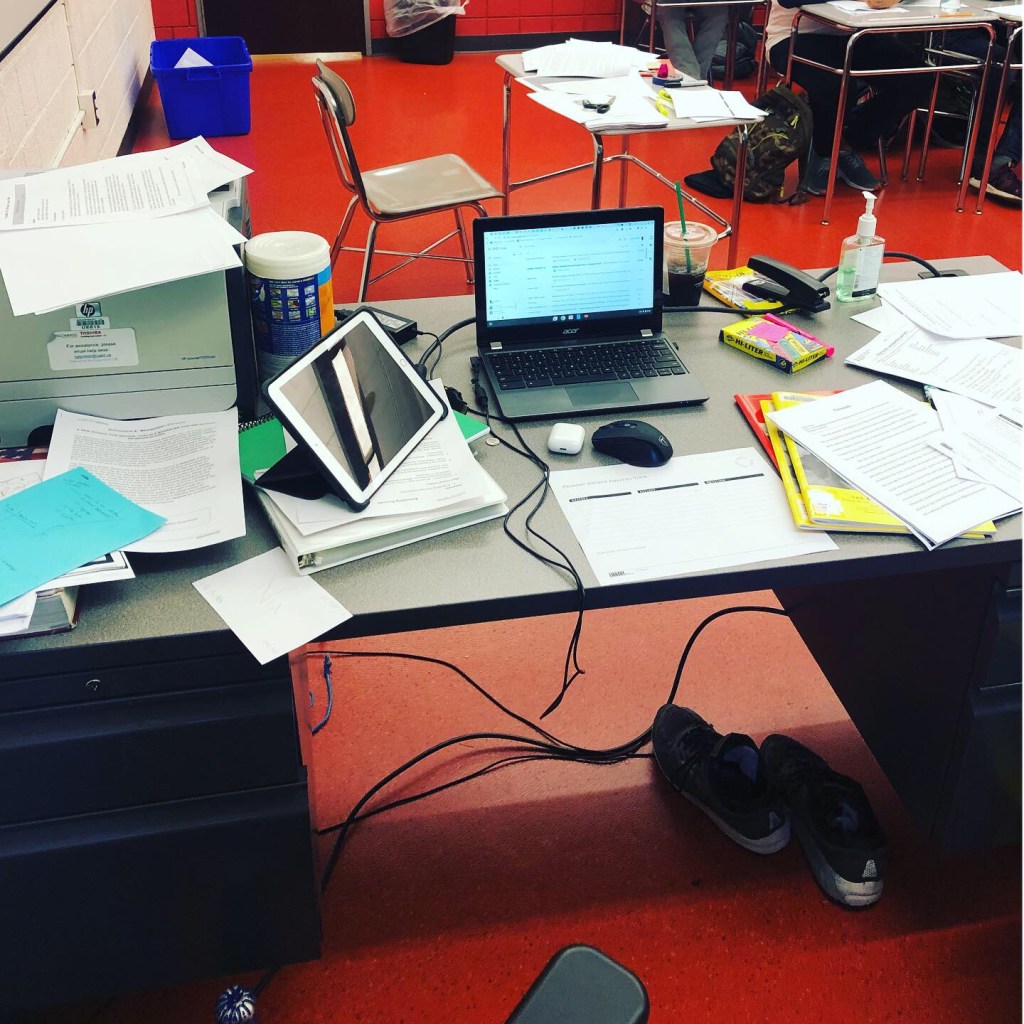
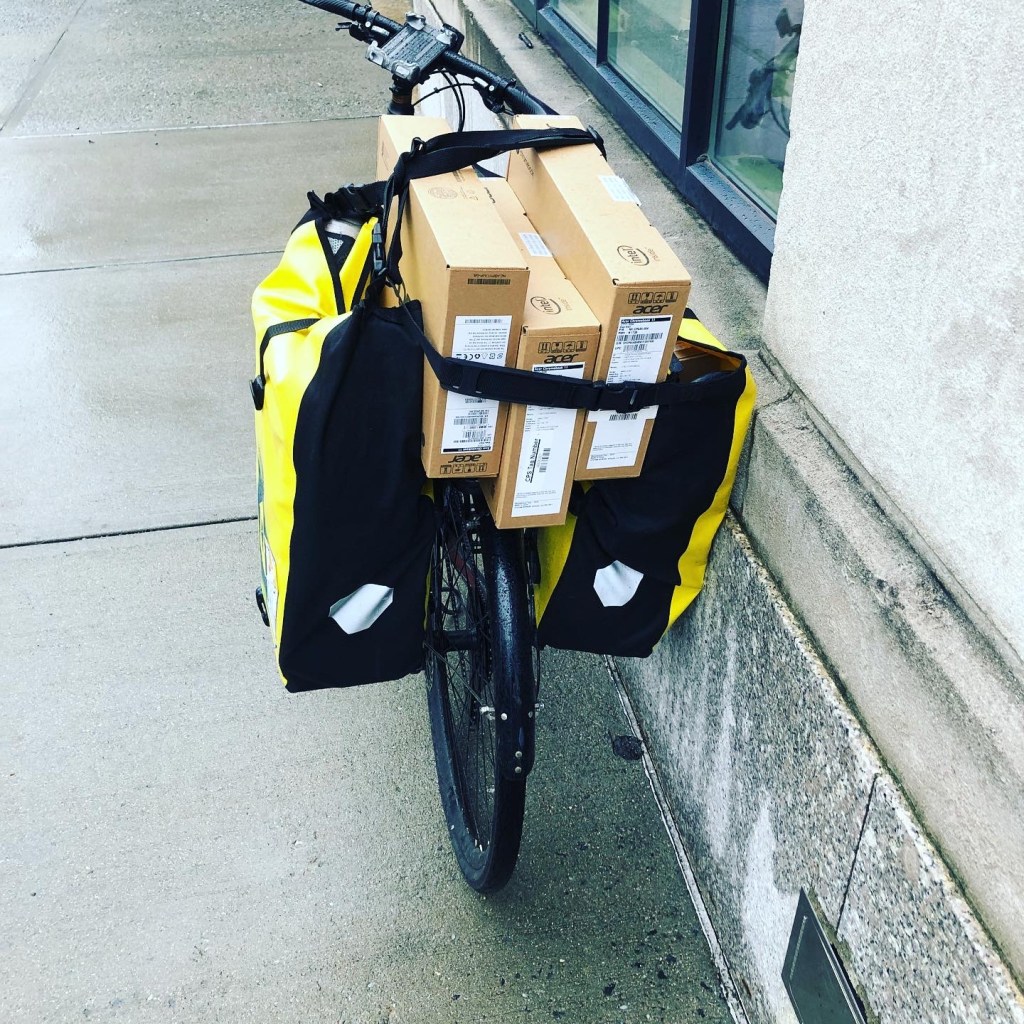
However, as all good things somehow come to an end. March 13th, 2020, the State of Massachusetts shut down schools for two weeks (little did we know how different our lives would be). That day, the word came down very early and I was instructed by my principal to take an inventory of all the technology in the school, and also build and deploy a Distance Learning Google Site. That afternoon, we deployed Chromebooks to all the students, as well as any manipulatives that we could find. We weren’t sure if we were coming back, we just knew that we had to prepare for the worst. Because of my second job at Tufts, I was deployed to be an on-site Emergency Technician at Tufts Medical School in Chinatown, and was able to then cover classes remotely while being in a different location. During that spring of 2020, I also volunteered to do technology troubleshooting and also distribution of devices. I was still on my bike at the time, so I would strap on Chromebooks onto my bike and then traverse around Cambridge handing out devices and also doing porch-side tech support when possible. It was a chaotic and yet surprisingly not as bad as I thought it would be.
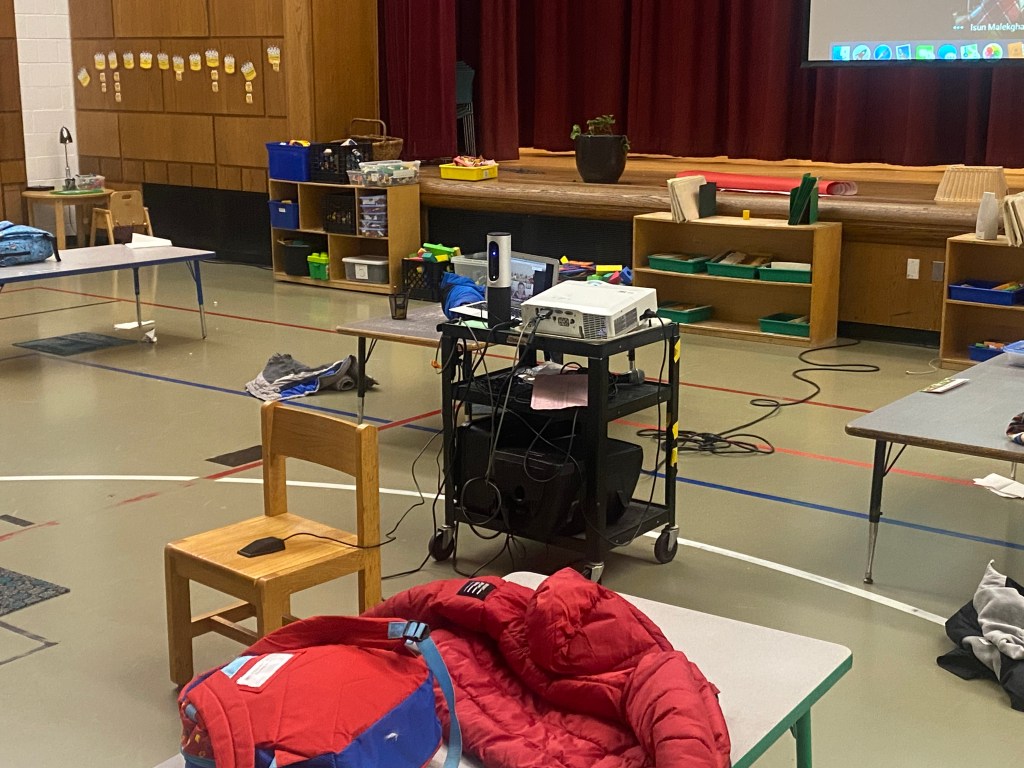
That summer, I stayed in Chinatown while also teaching summer school, which was not great since online summer school with no accountability, simply does not work. Then the fall began, as a Building Sub again, this time with half the students in school and half the students at home. Since that year, I have always said that the 2020-2021 school year was the best year of teaching. The reason being, it was consistent. Everyone had the same expectations of what schooling was going to be like, how the reopening would happen, nothing was a surprise. There was a sense of camaraderie and togetherness for those who were working in the schools. That year as a building sub, I floated often between the kindergarten classes as well as supporting various technological needs in the school. I also covered remote classes and in-person classes, sometimes at the same time. I learned very quickly that being flexible and adaptable was something I enjoyed, and that I thrived on being a troubleshooter. Part of that troubleshooter mindset also led me to seek out and receive Crisis Prevention Interventionist Training. CPI Training is essentially specified de-escalation training for students with severe behavioral needs. The training included both verbal and if necessary physical restraint. I was called upon to employ this training quite often, due to the specific needs at Baldwin. As I spent more time in elementary I also realized that despite me missing the higher thinking and exploration of high school, I also found that working in an elementary school brought a different type of satisfaction and contentment. Elementary kids have a different kind of joy and desire to be in school, especially during COVID. At the end of the year, I was approached for a completely different kind of position, one that I wasn’t expecting.
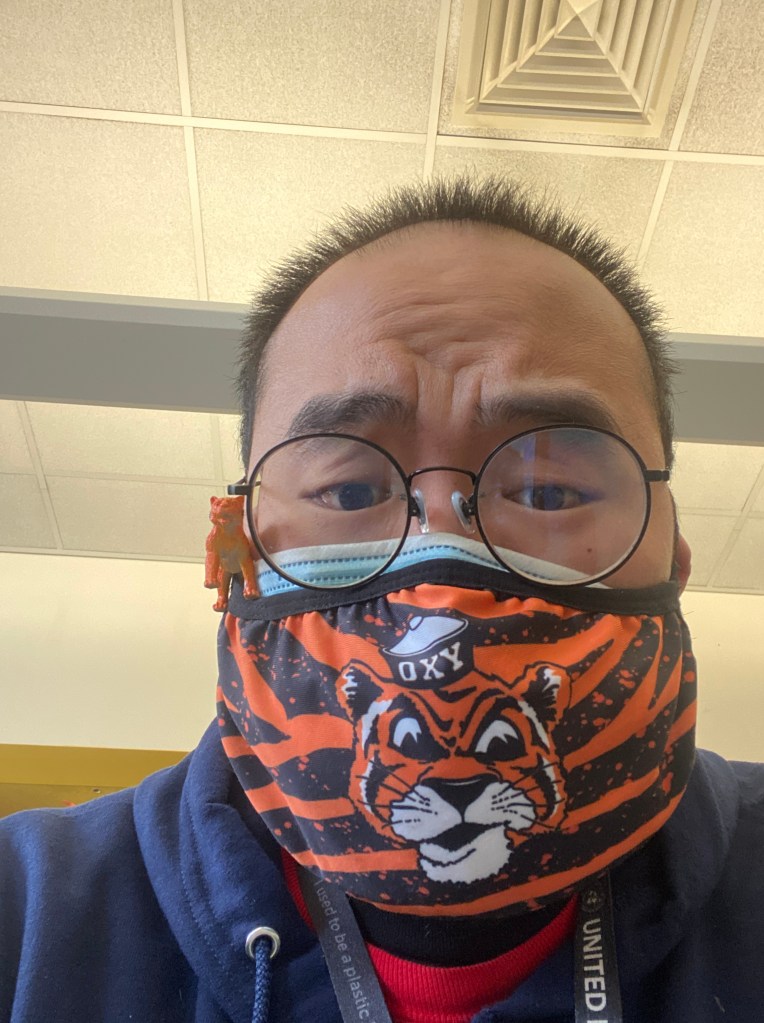
Maybe because I had worked adjacent to this department in the past, or maybe because I was supporting technological needs at Baldwin during COVID, but I was encouraged to apply for the one-year Instructional Technology Specialist position. As an ITS, I would be co-teaching with the librarians in a K-5 school, mainly with grades 3-5 classes, and supporting technology needs for other faculty. I never thought I would become a STEM teacher, but I figured, why not try it out. I was assigned to two brand new schools to me, and I also decided around the same time, to use the year to pursue the ITS license, and take courses to receive a second teaching licensure. I enrolled in Lesley University that fall, to pursue my licensure in conjunction with the year.
I had worked with an ITS in the past when I was a librarian substitute at the Baldwin earlier, but having to figure out curriculum for a subject matter I was unfamiliar with was difficult. Luckily, I wasn’t expected the rebuild the wheel, and I had plenty of support in my department. The classes I was taking also helped prepare me to plan and execute lessons. This year also represented my first year in two brand new schools, and having to get to know brand new faculty, staff, and of course students. That first year was challenging, but also exciting. Brand new schools, brand new curriculums, brand new colleagues was a whirlwind. I confess, teaching technology was not something I was excited about. Teaching history is the dream, the passion, the goal; pivoting was not ideal. However, as I began exploring the curriculum, building projects, and engaging with the students, I found ways to make teaching technology my own. I came to love the idea of teaching productive struggle and maker education, especially paired with concepts of experiential learning. Year one was a blur, but I found my footing. During my time at both schools, I would also often be called to support the school with my CPI training. Some days it felt like I was doing more behavioral intervention than I was teaching and it was tough. I remember certain times where I would spend almost my entire prep period supporting a student, sometimes even longer. Both Graham & Parks and the Morse school were very different from Baldwin, but over time I was able to find colleagues who would ultimately become my friends. One way I worked to build relationships was hosting First Fridays, socials that would often take place at a local restaurant or bar. I attended such events often when I was at the Baldwin and found them to be an authentic way to get to know colleagues.
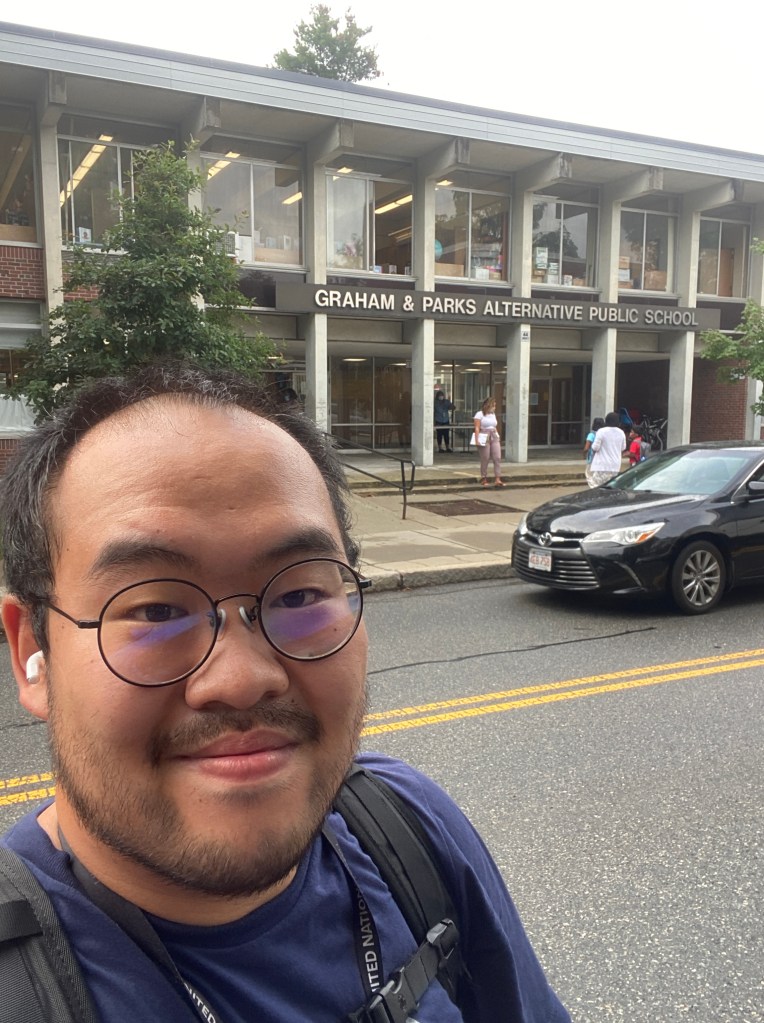
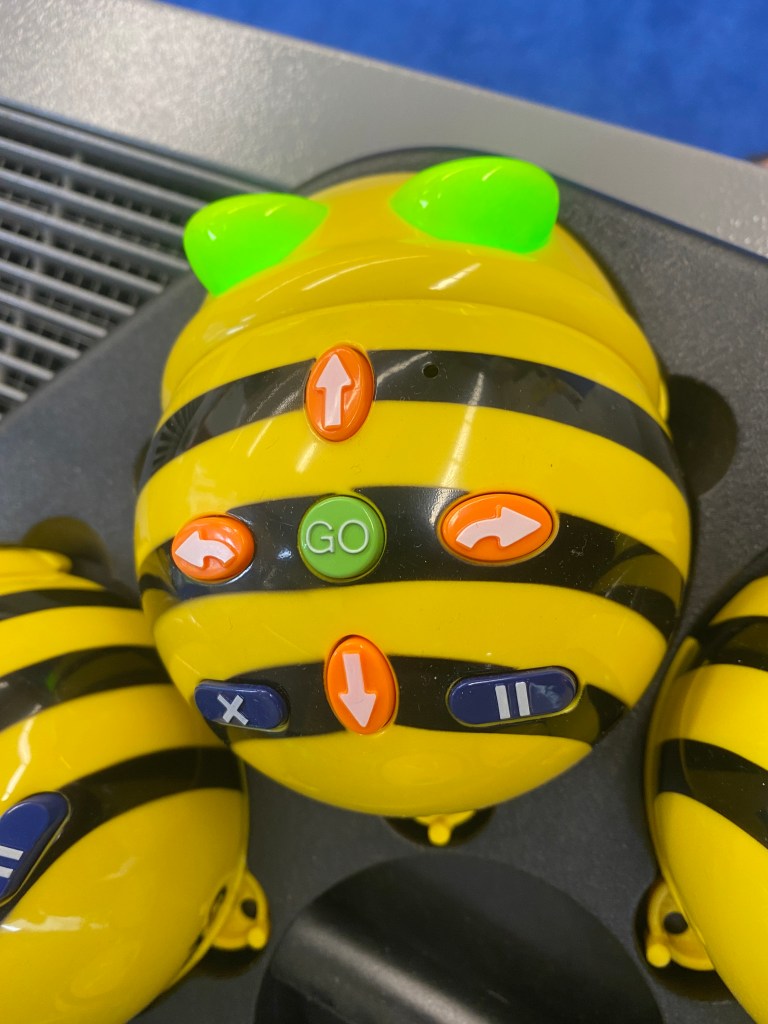
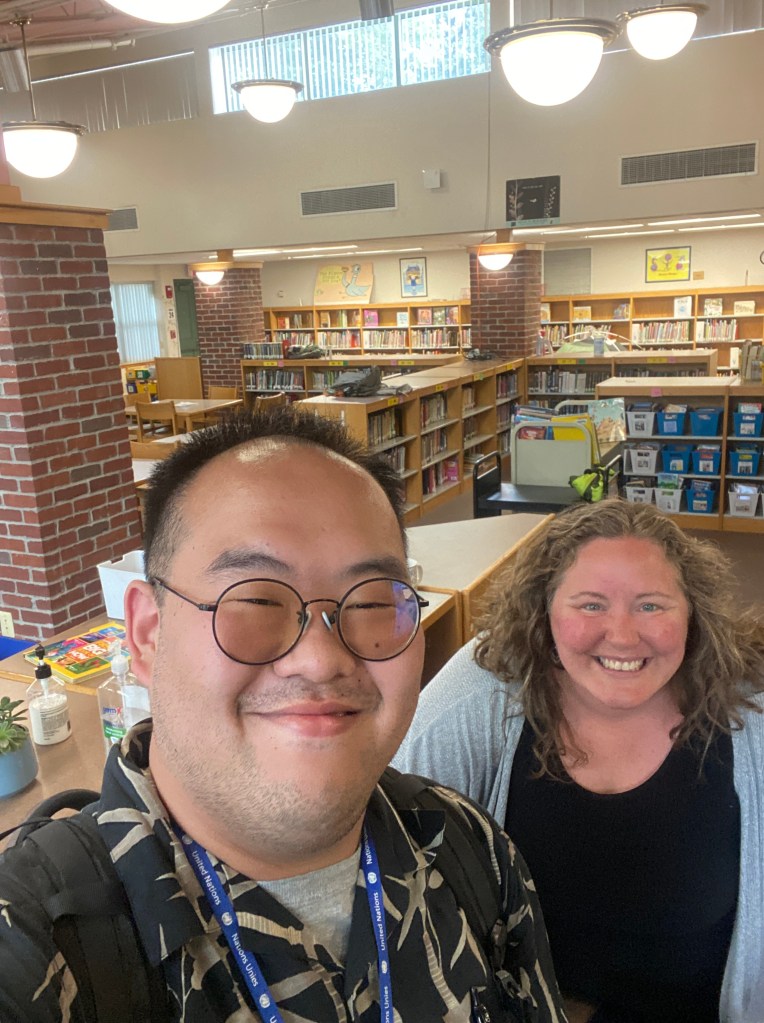

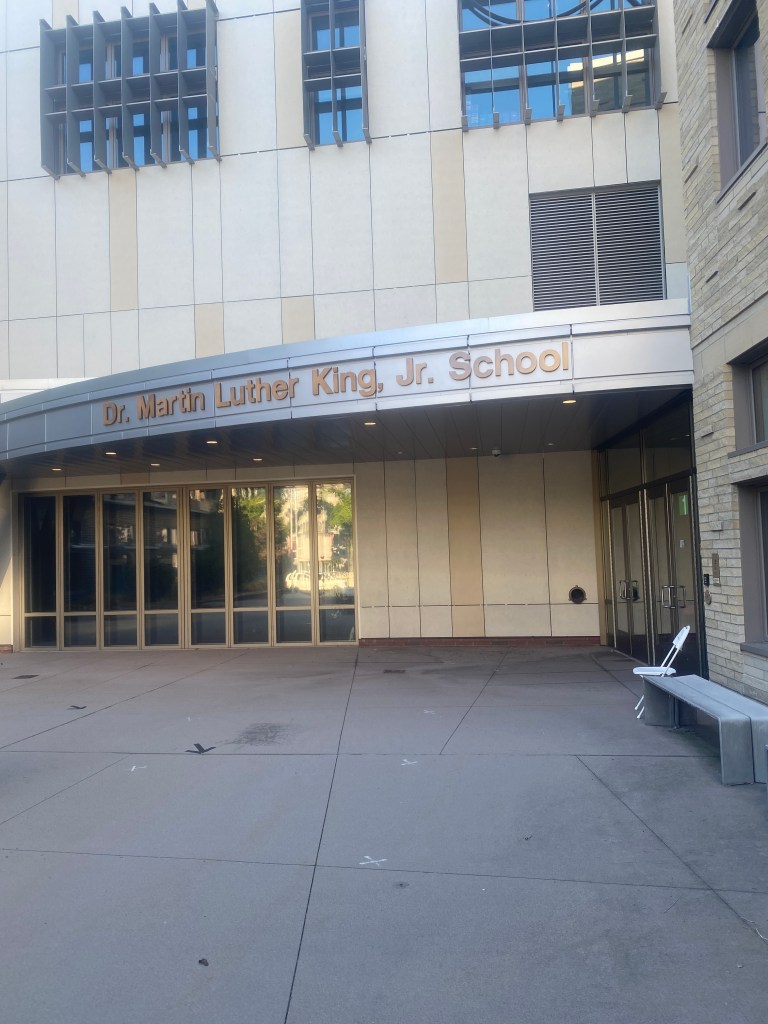
Year two as an ITS felt better. I finished my program at Lesley and felt more comfortable with my librarian colleagues and the curriculum. I was at another new school, the MLK school (which would be my fifth school in six years in Cambridge), but stayed at G&P for the second year. This year I pioneered curriculum that I designed including a lesson on accessibility tools and an unit using Canva as a tool. By utilizing what I was learning at Lesley as well as things that I figured out in the previous year, I was beginning to get excited about iterating and innovating the work that I was doing. As with previous years, I also stepped in as an interventionist quite often. It was challenging work, but also necessary at times. This year I also hosted First Fridays, tried to do more family friendly ones, and even began something called: Feast Fridays, where I would set up an UberEats group order so that colleagues would try new food and new restaurants in our area. These small things would help with staff morale at times, and helped me get to know other colleagues better. As this was my second year at G&P, I really did feel connected with the staff and students, which surprised me because when I first came to the school, I remembered that I felt really isolated and siloed at the school. Nonetheless, G&P felt like family, which made it even harder when I knew I was going to leave at the end of the year.
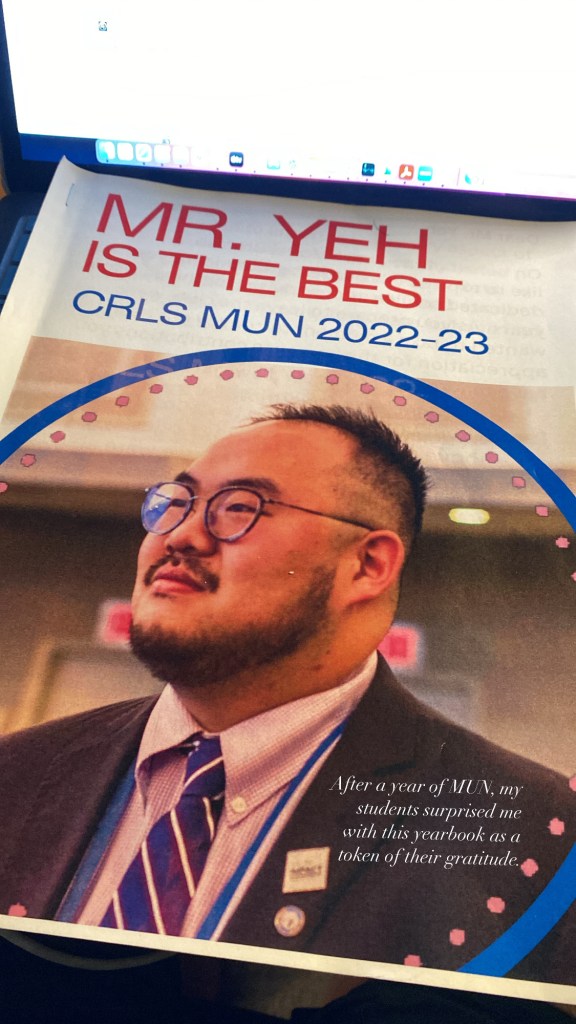
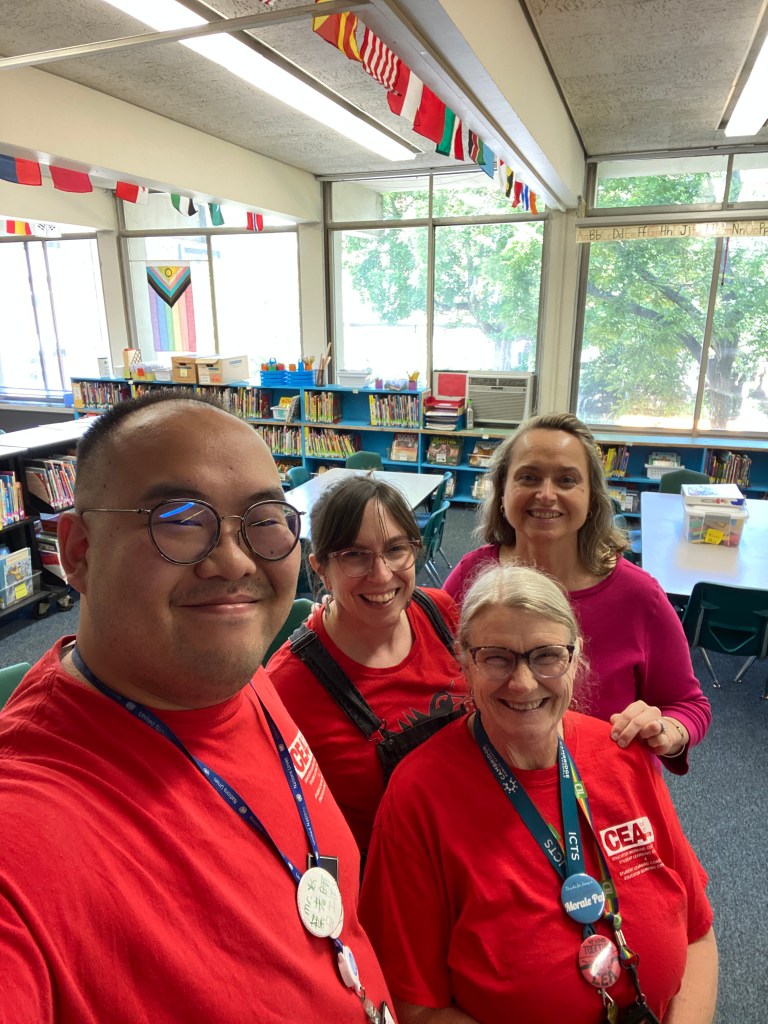
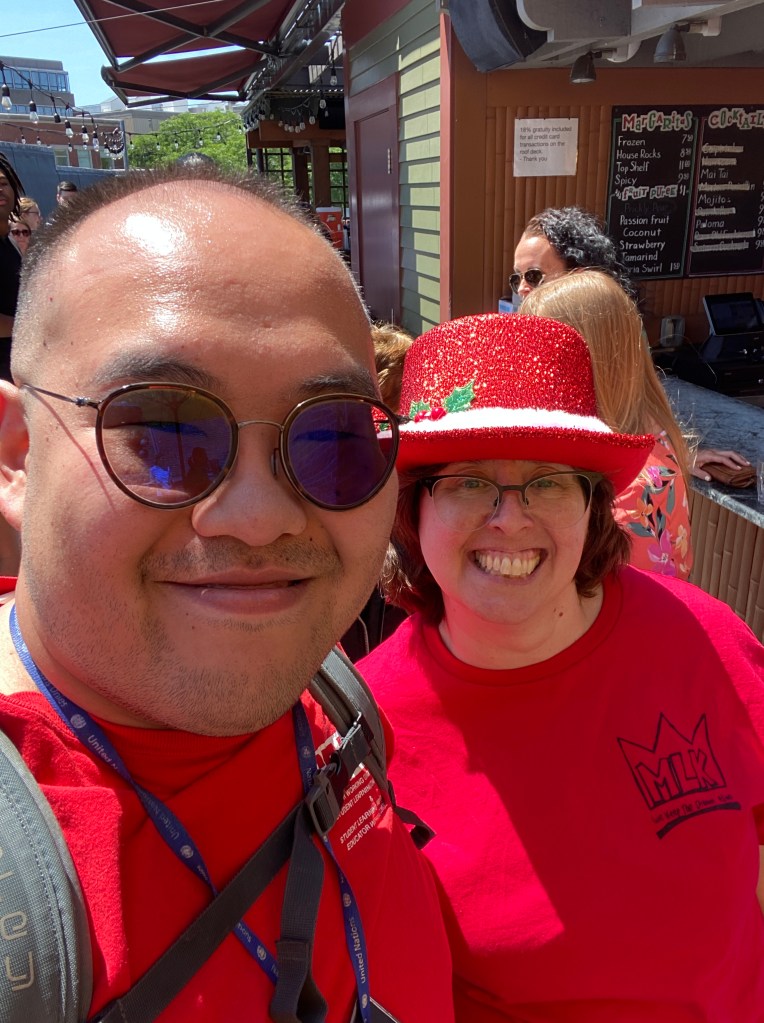
To be honest, I don’t know why I wrote this compendium down. I started the post almost two months ago when I left Cambridge and have left it on the back burner as the summer went on. There is some misguided sense in me where I felt like I needed to finish this long post before my next “First Day of School” (9/5/23). At the end of last year I applied and accepted a position to teach technology at an independent school in Shoreline, WA. My sixth school and my seventh year of teaching. Ultimately I wrote this post as a way for me to reflect and remember about my first teaching experiences. Did I imagine that I would be teaching the way I am today? No, but to be honest, I feel like my career thus far has made me a far more diverse teacher than I ever could’ve imagined. I called this post “Stuck in the Door”, because it was hard for me to experience not getting to teach history in Cambridge. However, I also realized that many doors opened for me during and as a result of my time in Cambridge. One thing I still need to write about and reflect on is my tenure as the MUN Director at Cambridge Rindge & Latin School, a whole other long post. I will never forget my time in Cambridge, and I know that I will probably continue reflecting on it as I step into my next role.
 Yeh Heard It Here
It’s so incredible to see your Cambridge Chronicles consolidated, photos of your amazing mentors, and read even more connective tissue to make sense of your time there. The pink tie photo was my favorite! ++ Feast Fridays is a phenomenal concept. It sounds like despite a TON of struggle, pivoting, xenophobia, and unknowns (2020 and otherwise) you had an equally profound impact in each place that impacted you – which doesn’t surprise me, but it does warm my heart. I’m excited to see how your PNW chapter will unfold and hope you’re having a wonderful start to the school year!
LikeLike